
Is an In-Office Hysteroscopy a Diagnostic Procedure?
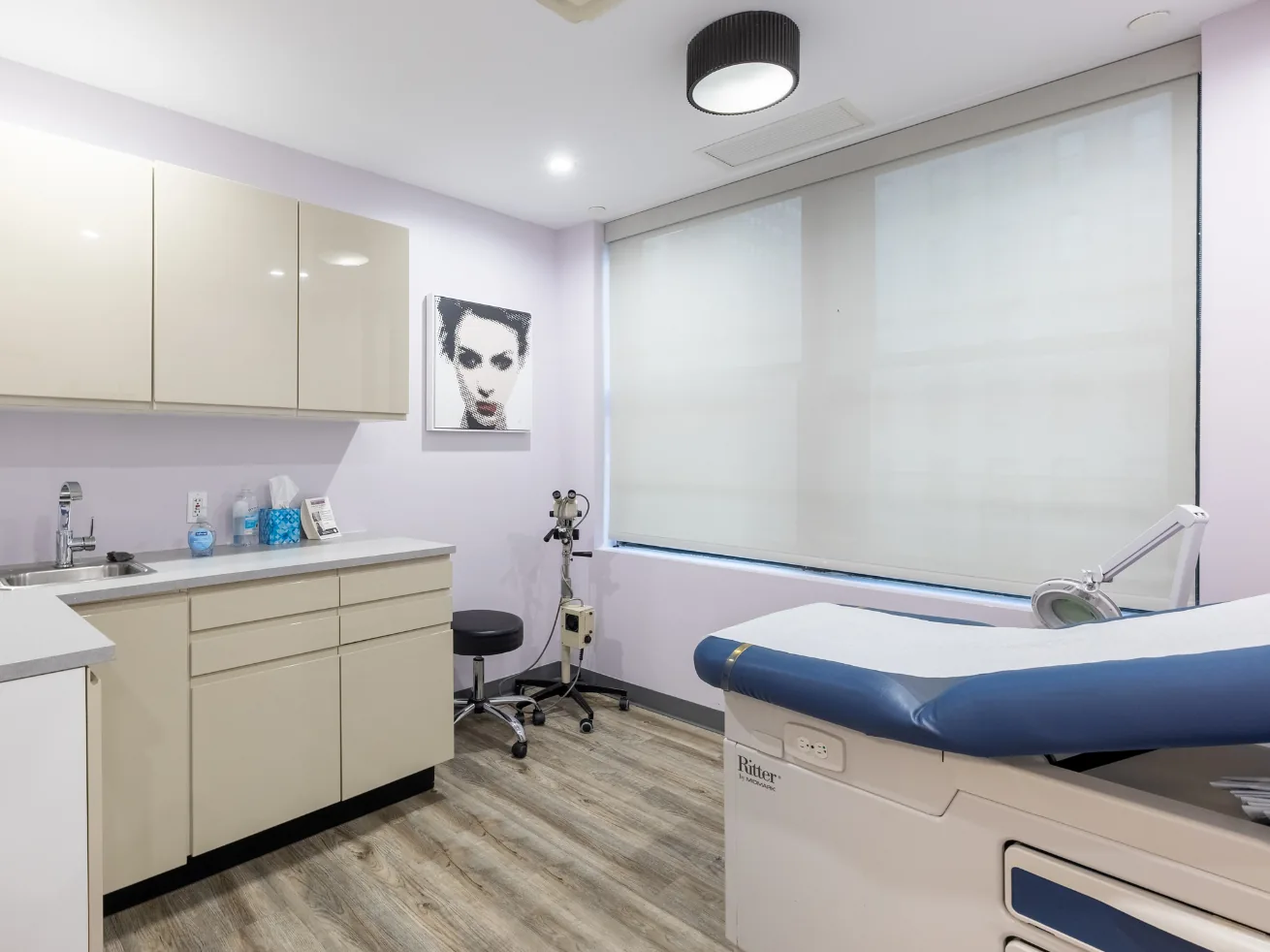
An in-office hysteroscopy can be both a diagnostic and an operational procedure. The gynecologist uses a thin camera called a hysteroscope, which passes through your vagina, past your cervix and into your uterus. Then sterile saline water flows in to open your uterine cavity.
Since this medical procedure is done in your gynecologist’s office instead of in a surgical suite or hospital, it’s safer and faster. Office hysteroscopy is a minimally invasive procedure for women with heavy periods, bleeding between periods, spotting after menopause or fertility concerns.
Dr. Felix Cohen and his experienced team of doctors at Hysteroscopy Center of New York, with three convenient locations in New York City, approaches uterine problems with care and sensitivity. This method is also used when fertility preservation is part of your plan, as it allows your doctor to examine your uterine cavity without abdominal incisions.
“Many women come in worried because of abnormal bleeding or unclear ultrasound results,” says Dr. Cohen. “I address that concern first, then review whether I can use a see-and-treat approach, where I identify the cause of your symptoms and treat a small finding the same day, as appropriate.”
What Is an Office Hysteroscopy?
Office hysteroscopy is a diagnostic exam that lets your doctor see your uterine cavity directly. This type of visual exam may help explain whether endometrial polyps, uterine fibroids, scar tissue, retained tissue, inflammation or IUD movement relates to your symptoms.
Some women are referred to Hysteroscopy Center of New York after an ultrasound because the bleeding continues or before a fertility treatment, IUD removal or another procedure. The difference between a hysteroscopy vs. ultrasound is that an ultrasound only shows your uterus from outside. A hysteroscopy lets Dr. Cohen look inside before planning treatment.
Who’s a Good Candidate for an Office Hysteroscopy in Midtown Manhattan?
You may be a good candidate for office hysteroscopy in Midtown Manhattan, Columbus Circle or Queens if your symptoms or test results point to something inside your uterine cavity. Dr. Cohen reviews your records, including ultrasound reports, biopsy results, fertility notes, IUD records and notes from referring physicians. This helps him decide whether he can perform the procedure in the office or if you need sedation, extra equipment or hospital-based care.
The doctor considers your pelvic exam history, cervical access, anxiety, bleeding pattern, prior procedures and pregnancy plans. For stronger pain control, hysteroscopic myomectomy planning or hysteroscopy for IVF & fertility treatment, the setting changes. The most common reasons to discuss office hysteroscopy include:
- Bleeding between periodsHeavy periods, bleeding between periods or unexplained spotting
- A need for careful uterine lining evaluation
- Postmenopausal bleeding
- Fertility planning before treatment
- Removal of an embedded or lost IUDWhen strings are missing or the device has shifted
Can I Get an Office Hysteroscopy Without Anesthesia?
A hysteroscopy without anesthesia doesn’t mean you’re expected to tolerate pain quietly. It means the exam is brief, the scope is small and the steps are limited enough that you fare well without sedation. For some women, however, medication, cervical numbing or sedation may be part of the comfort plan.
Dr. Cohen plans for your comfort before considering a no-dilation, awake hysteroscopy. He explains why you may not need anesthesia and pain management for the conditions involved. Recovery is similar to a brief office exam, with mild cramping or light spotting afterward.
What Happens During an Office Hysteroscopy?

During an office hysteroscopy, you’re positioned as you would be for a pelvic exam. The camera passes through your cervix, and sterile saline flows in to open the uterine cavity. Your gynecologist views the lining on a monitor. An office hysteroscopy visit usually includes:
- A review of your symptoms, images and history
- A comfort plan based on prior exams, anxiety and procedure needs
- Gentle placement of the hysteroscope through your cervix
- Direct evaluation of your uterine lining, cavity shape, and IUD position
- A decision whether biopsy, treatment or separate care is needed
After the exam, Dr. Cohen gives you post-procedure instructions for cramping, spotting and warning signs. These instructions also cover patient safety, including when to call the office. Emergency and after-hours instructions explain how to get help after you leave.
Frequently Asked Questions
Is an in-office hysteroscopy painful?
In-office hysteroscopy often feels like pressure or cramping. The comfort plan explains medication choices and stopping points before the exam.
Does an office hysteroscopy treat a problem the same day?
Office hysteroscopy sometimes treats a small finding that day. If the finding needs different hysteroscopy equipment or deeper anesthesia, your doctor discusses a safer setting before any further treatment.
Are hysteroscopy costs covered by insurance?
Because it’s usually medically necessary, most insurers cover hysteroscopy costs. The staff at Hysteroscopy Center of New York reviews the cost, insurance and financing questions during your consultation.
How Do I Schedule an Office Hysteroscopy in NYC?
Office hysteroscopy helps your gynecologist resolve your bleeding, suspected polyps, fertility concerns or IUD problems. The consultation explains whether an office or hospital hysteroscopy is safer for your condition and needs.
Contact Hysteroscopy Center of New York in Midtown Manhattan, Columbus Circle or Queens for a consultation. They also offer second opinions for uterine surgery.